
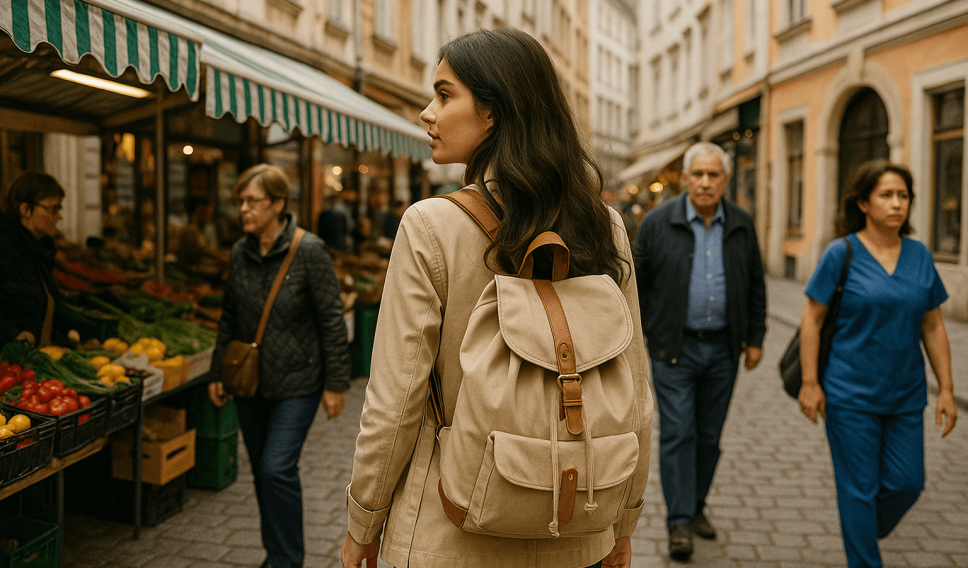
Traveling to a foreign country with a different language can be both exhilarating and intimidating. The prospect of navigating a new culture, tasting exotic foods, and exploring unfamiliar landscapes is thrilling. However, the challenge of overcoming language barriers often surfaces, potentially causing anxiety for travelers. Fortunately, with a few strategies, you can enhance your communication skills and enrich your travel experience.
Embrace Basic Language Skills
One of the most effective ways to overcome language barriers is to learn a few basic phrases in the local language. Simple greetings, expressions of gratitude, and common questions can go a long way in making connections with locals. Apps like Duolingo or language phrasebooks provide convenient ways to learn essential words and phrases. Not only will this effort help you communicate more effectively, but it will also be appreciated by the locals, showing your respect for their culture.
Utilize Technology
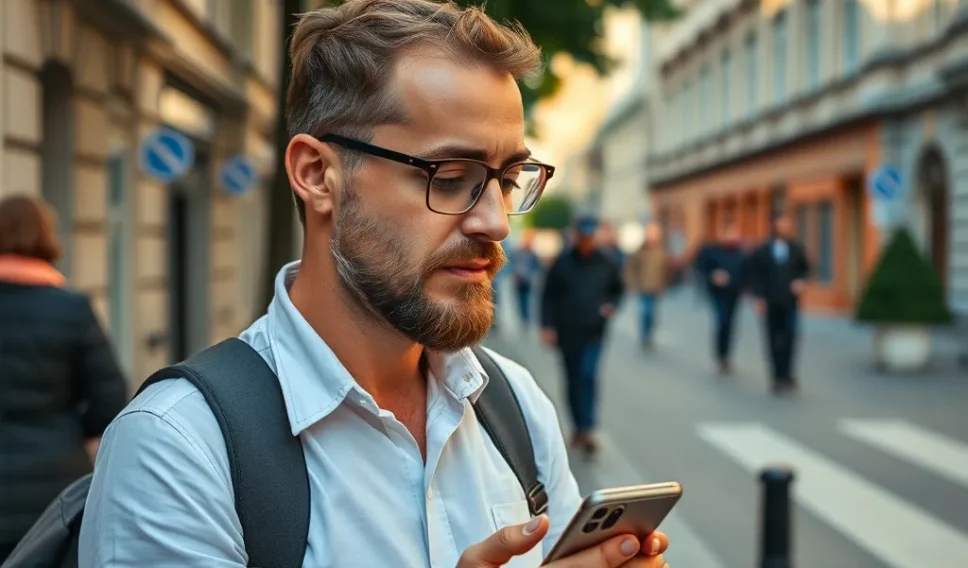
In the digital age, technology is an invaluable tool in overcoming language barriers. Translation apps such as Google Translate can provide instant translations of text and speech, helping you navigate conversations and written materials. These apps often offer offline modes, ensuring you’re not left without assistance in areas with limited internet connectivity. Additionally, some apps allow you to take photos of text, such as menus or signs, and translate them into your preferred language—a handy feature for travelers.
Use Body Language and Gestures
When words fail, non-verbal communication can bridge the gap. Body language and gestures are universal tools that can convey messages without speaking. A friendly smile, nod, or hand gesture can express gratitude or indicate understanding. However, be mindful of cultural differences in gestures, as some may have different meanings in various countries. Observing locals and being adaptable to their cues will help you communicate more effectively.
Subscribe to Our Newsletter
Stay up-to-date with the latest travel deals, tips, and inspiration from Moira Travel. Get exclusive access to personalized itineraries and travel recommendations.

Engage Locals with Patience and Respect
Patience and respect are key when interacting with locals who speak a different language. Approach conversations with an open mind and a willingness to listen. If a misunderstanding occurs, remain patient and try different ways to clarify your message, whether through rephrasing, writing it down, or using visuals. Remember that communication is a two-way street, and locals are often willing to help if approached respectfully.
Leverage Visuals and Illustrations
Visual aids can be extremely useful when language barriers arise. Carry a small notepad or use your smartphone to draw simple illustrations when trying to communicate complex ideas. Visuals can be particularly helpful in situations like ordering food, asking for directions, or explaining preferences. Pictograms or photos can sometimes convey your message more clearly than words alone.
Participate in Language Exchange
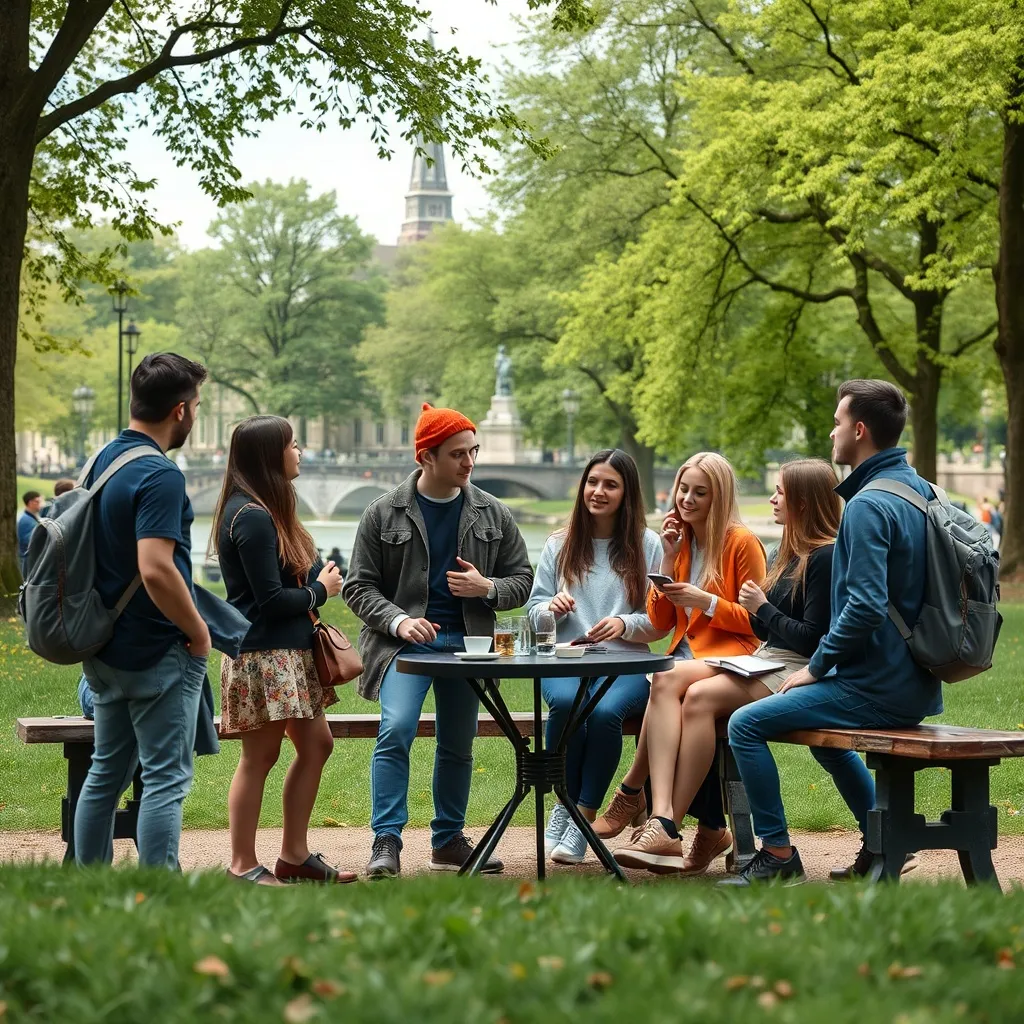
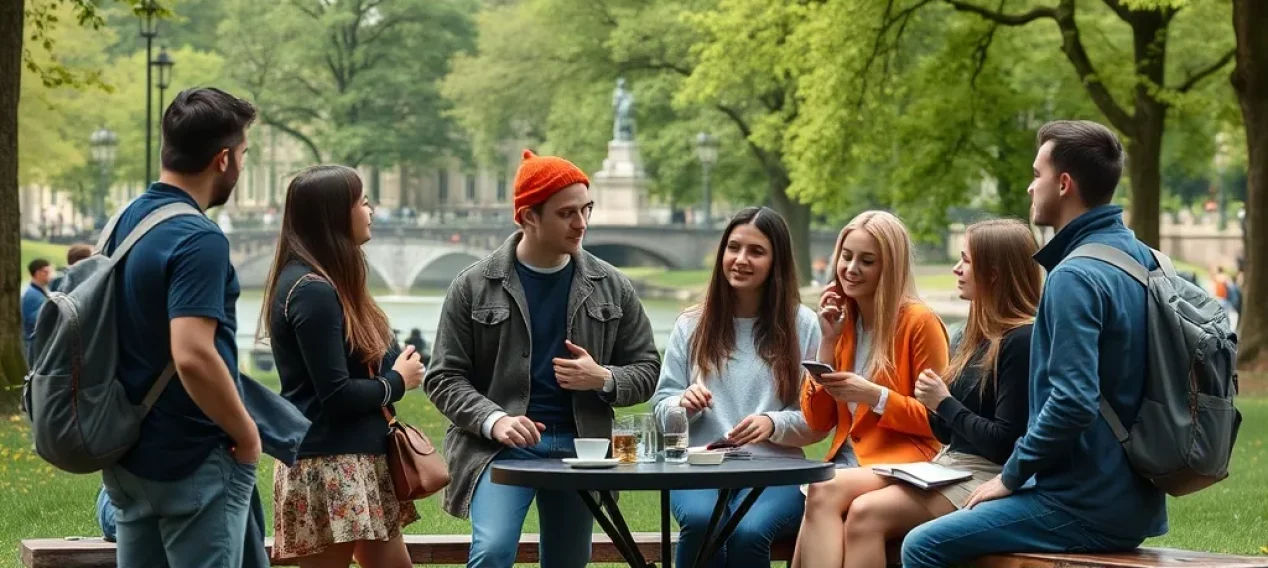
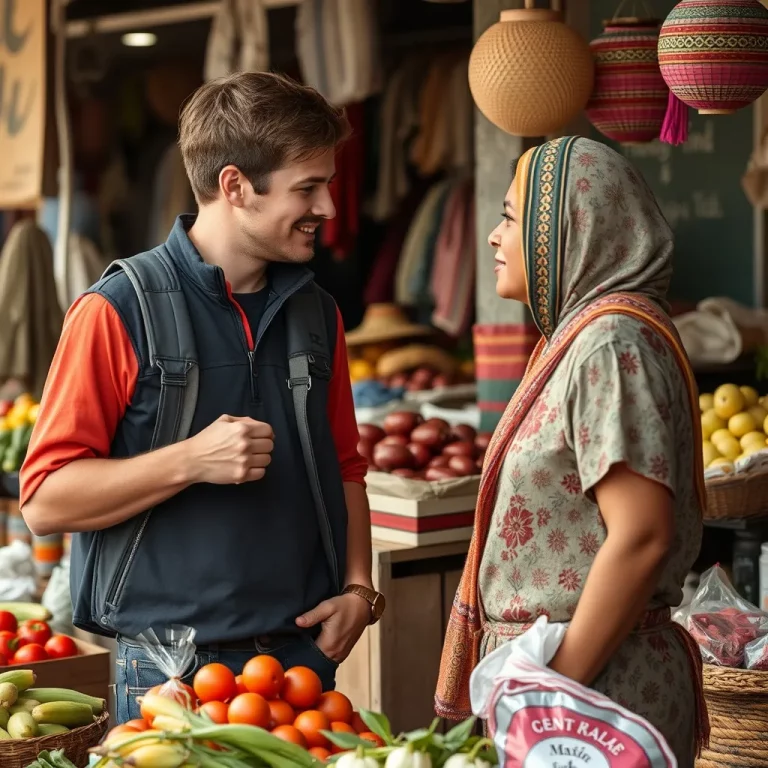
Language exchange is a wonderful way to practice speaking and understanding a new language while making friends. Many cities offer language exchange meetups where travelers and locals can come together to share their languages and cultures. This provides a relaxed setting to practice conversational skills and learn more about the local culture from native speakers.
Be Open to Learning
Finally, an open mind and a willingness to learn are your greatest assets. Embrace the experience of learning a new language, even if it’s just a few words or phrases. Each interaction is an opportunity to improve your language skills and deepen your cultural understanding. Accept that mistakes are part of the learning process, and don’t be afraid to laugh at yourself. This openness can lead to meaningful connections and memorable travel experiences.
In conclusion, language barriers need not be a source of stress when traveling. By preparing in advance, utilizing technology, and engaging with locals respectfully, you can navigate these challenges with confidence. As you overcome language barriers, you’ll find that communication is not just about spoken words, but about the connections you make and the experiences you share. Happy travels!