

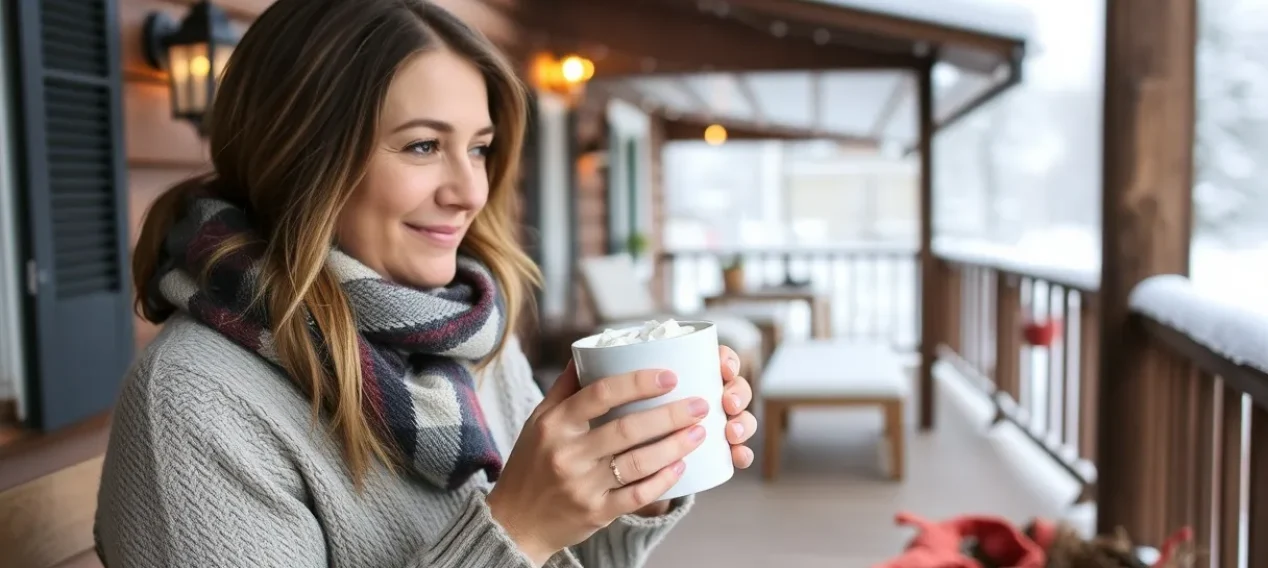
Introduction: Winter Isn’t Just Cold — It Can Feel Heavy
As the frost settles and daylight dwindles, many of us find our spirits echoing the season’s chill. Winter can bring about a noticeable dip in mood, energy, or motivation. The shorter days and brisk air often create a sense of heaviness, casting a shadow over our daily routines. Imagine waking up to a world draped in a cold, grey blanket, where even the simplest tasks feel burdensome. But what if we told you that embracing winter travel could be surprisingly restorative? By stepping away from the familiar, you might discover a fresh perspective that rejuvenates your spirit.
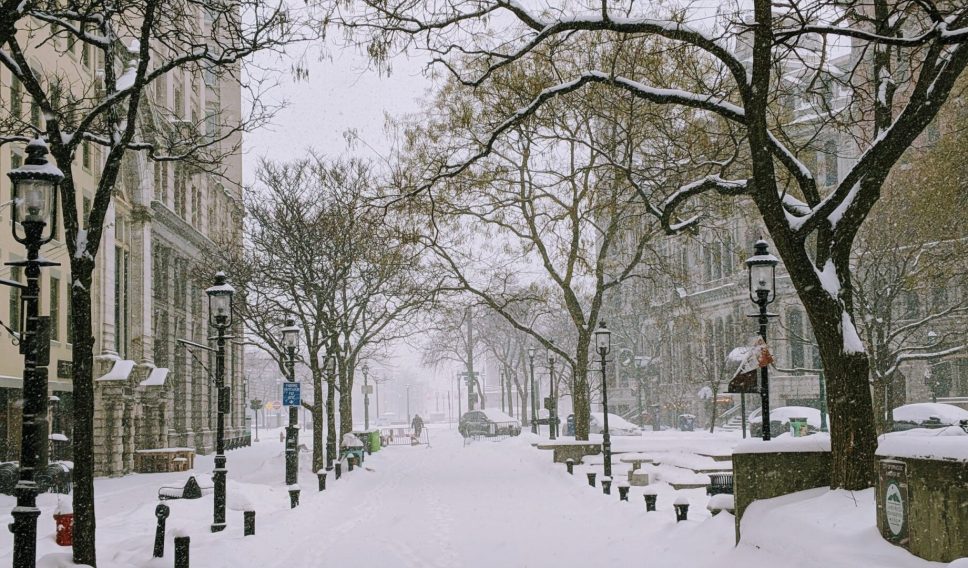
Image credit: Thomas Bardenett
What Is Seasonal Affective Disorder (SAD)? (In Simple Terms)
Seasonal Affective Disorder, or SAD, is a type of depression that occurs at a specific time of year, usually in winter. Symptoms can include low energy, mood changes, a desire to withdraw, and a loss of motivation. However, it’s important to note that not everyone experiences SAD. Many simply undergo seasonal emotional shifts that don’t require a diagnosis. Picture a morning where you find yourself lingering in bed, wrapped in blankets, as the world outside feels a bit too daunting to face.
(Gentle reminder: This is not medical advice, just thoughtful insights.)
Why Seasonal Changes Affect Mental Health
A. Less Sunlight & Disrupted Circadian Rhythms
With shorter days, our internal clocks, or circadian rhythms, can become disrupted, affecting our sleep and mood. Sunlight plays a crucial role in maintaining our well-being. Imagine the sun as an invisible thread weaving through your day, subtly influencing your energy and outlook.
B. Reduced Novelty & Stimulation
The monotony of winter can amplify feelings of gloom. Our surroundings become repetitive, offering little sensory variety to lift our spirits. It’s like walking through a world painted in muted tones, where every day seems to blend into the next.
C. Social & Emotional Isolation
Winter often means fewer social gatherings and more time spent indoors, leading to feelings of isolation. Picture the cozy warmth of a gathering you couldn’t attend, as you sit alone with a steaming cup of tea.
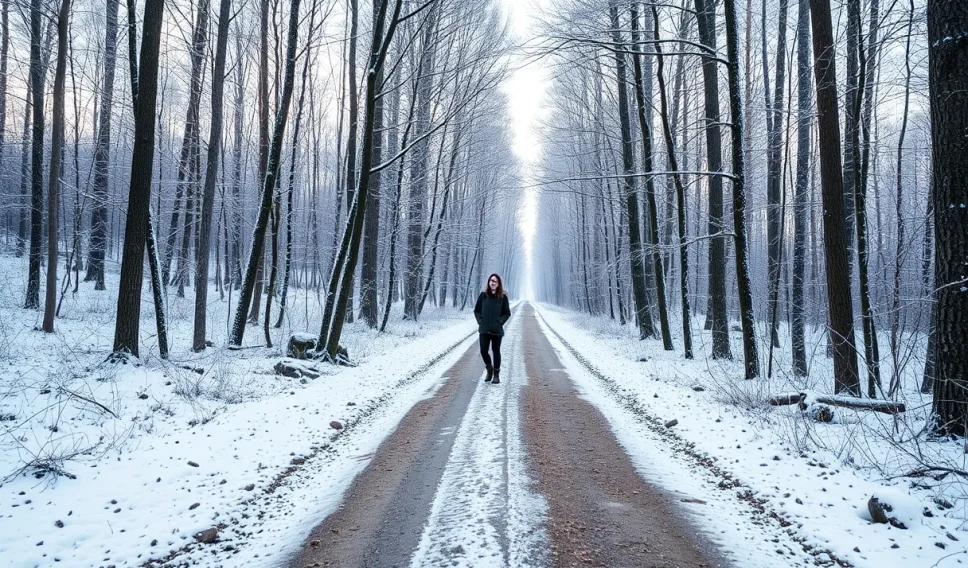
Why Winter Travel Can Help Mental Health
1. Change of Environment = Mental Reset
Traveling breaks the monotony. New surroundings can stimulate the brain and offer a fresh perspective, acting as a mental reset. Envision stepping into a vibrant market, the air filled with unfamiliar scents and sounds, instantly invigorating your senses.
2. Exposure to Light (Even Indirectly)
Escaping to sunnier locales or even snowy destinations can increase light exposure. Outdoor activities, like skiing or hiking, help soak up precious daylight. Picture yourself on a snow-covered slope, the sun reflecting off the pristine white, bathing you in warmth and light.
3. Restoring a Sense of Control
Planning a trip is empowering. It shifts you from feeling stuck to feeling proactive, with each small decision reinforcing a sense of control. Imagine the satisfaction of crafting an itinerary that mirrors your desires, each choice a step towards reclaiming your agency.
4. Reintroducing Joy & Novelty
New experiences—whether it’s tasting local cuisine or exploring a new landscape—replace rumination with curiosity, creating moments of joy. Envision sampling an exotic dish, the flavors dancing on your palate, momentarily transporting you to another world.
5. Winter Travel Encourages Slower, Gentler Travel
Winter travel often involves less pressure to achieve it all, allowing for reflection, rest, and cozy experiences that feel emotionally safe. Picture a leisurely stroll through a quiet village, snowflakes gently falling, as you savor the simple beauty of the moment.

Types of Winter Travel That Support Mental Well-Being
A. Sunny Winter Escapes
Warm destinations lift spirits with ocean views, bright skies, and gentle warmth. Imagine walking along a sun-drenched beach, the waves whispering secrets as they kiss the shore.
B. Cozy Cold-Weather Retreats
Think cabins, small towns, and quiet cities. Snowy walks, warm cafés, and crackling fireplaces create a serene environment. Picture yourself nestled by a roaring fire, a book in hand, as the world outside is wrapped in a snowy embrace.
C. Reflective Solo Trips
Solo journeys provide space for journaling, walking, and self-reflection, helping to reconnect with yourself. Imagine a solitary walk through a tranquil forest, your thoughts the only companions as you explore the path to self-discovery.
D. Romantic or Close-Connection Trips
Traveling with loved ones deepens emotional bonds through shared experiences during a quieter season. Picture a candlelit dinner, laughter dancing in the air, as you create memories that will warm your heart long after winter’s chill has faded.
Subscribe to our Newsletter
Stay up-to-date with the latest travel deals, tips, and inspiration from Moira Travel. Get exclusive access to personalized itineraries and travel recommendations.

How to Travel in Winter Without Overstimulating Yourself
Maintain balance by avoiding over-packed itineraries. Choose calming accommodations and ensure activities are interspersed with moments of rest. Be mindful of your emotional and physical limits. Imagine a day filled with gentle adventures, each one tailored to your pace, leaving room for both exploration and introspection.
When Travel Might Not Be the Right Solution
Travel isn’t a panacea. It’s important to recognize when support systems, therapy, and routines take precedence over travel. Consider it a supportive tool, not a treatment. Picture a warm conversation with a trusted friend or counselor, offering comfort and guidance as you navigate the complexities of winter.
Practical Tips for Mentally Supportive Winter Travel
Select destinations thoughtfully, focusing on daylight activities. Pack for comfort and build flexibility into your itinerary. Use planning tools like AI, itineraries, or checklists to reduce stress. Imagine a suitcase filled with cozy essentials, each item a reminder of your intention to nurture yourself during the journey.

Final Thoughts: Winter Doesn’t Have to Be Endured
Instead of merely surviving winter, consider it a season for care and introspection. Travel can help you reconnect with yourself and find what truly nourishes you. As you plan your next getaway, remember that winter offers unique opportunities for healing and growth. Imagine embracing the season with open arms, each day a canvas for discovery and warmth.
Embrace the season, and choose a path that enriches and uplifts you. Whether through travel or other means, may your winter be one of discovery and warmth.